
Infection control starts with daily habits
Infection control for long-term care CNAs starts with routine practices that help reduce the spread of illness. For students preparing to work as a certified nursing assistant in Lynden, Bellingham or other Whatcom County communities, learning these practices is part of preparing for resident care.
Nursing assistants work closely with residents and health care team members. They may assist with bathing, dressing, meals, mobility and other personal care tasks. These activities require CNAs to follow infection prevention procedures throughout their shifts.
What does infection control include?
Infection control refers to practices that help prevent the spread of infectious diseases in health care settings. For nursing assistants, these practices can include:
- Washing or sanitizing hands at the appropriate times
- Using personal protective equipment, or PPE, as directed
- Keeping clean and contaminated items separate
- Cleaning and disinfecting equipment according to facility procedures
- Covering coughs and sneezes
- Following precautions for residents with known or suspected infections
- Reporting symptoms or concerns to nursing staff
The Centers for Disease Control and Prevention recommends hand hygiene immediately before touching a resident, after touching a resident or the resident’s surroundings and after contact with blood, body fluids or contaminated surfaces.
Why hand hygiene matters
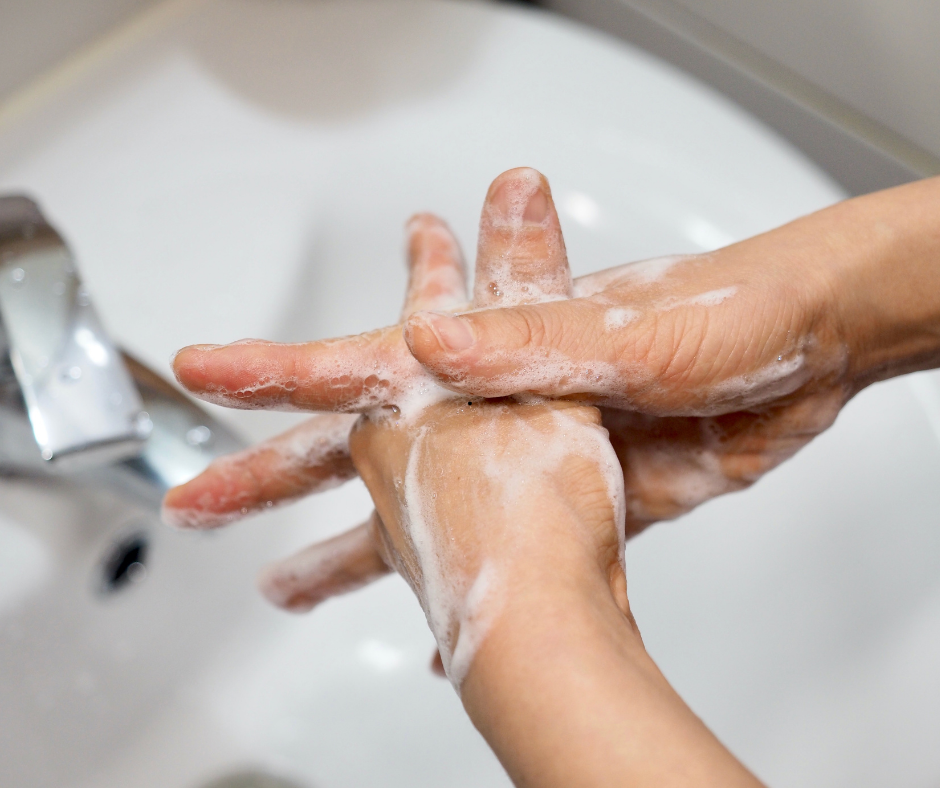
Hand hygiene remains a routine part of nursing assistant work. Nursing assistants should clean their hands before and after resident care and after removing gloves.
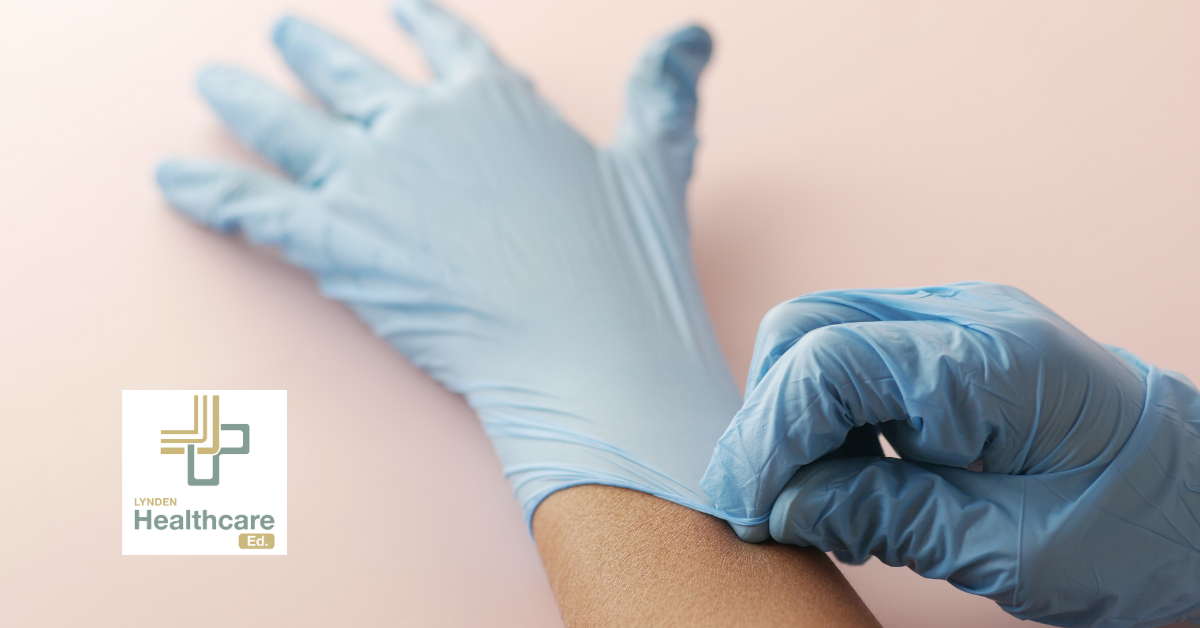
Gloves do not replace hand hygiene. CNAs should follow facility procedures for putting on and removing gloves and other PPE. Proper technique helps limit contact with contaminants.
Infection control during resident care
Nursing assistants may use infection control practices during routine tasks. For example, a CNA assisting a resident with bathing should follow the facility’s procedures for gloves, equipment and disposal of used supplies.
CNAs should also avoid carrying contaminated items from one area to another. Following established procedures helps keep care areas organized and supports a cleaner environment for residents and staff.
What students learn during training
Infection control for long-term careCNAs involves more than memorizing rules. Students practice procedures and learn when to apply them during resident care.
Training includes hand hygiene, PPE use, environmental cleaning and safe handling of equipment. Clinical experience gives students an opportunity to practice these skills in a care setting while receiving instructor guidance.
For Lynden Healthcare Education students, these skills specifically support preparation for work in the long-term care industry.
A skill you use throughout your career
Infection control for long-term care CNAs connects directly to everyday resident care. Consistent hand hygiene, proper PPE use and careful handling of equipment can reduce opportunities for infection to spread.
Students who understand these practices before entering the workforce can approach their CNA duties with confidence and a clear understanding of how infection prevention fits into resident care.